Shoe sizes: why UK, US and EU numbers never line up
A UK 7 is a US 8 and an EU 41 — except when it is not. Shoe sizing has no single formula, only three separate scales that happen to overlap.
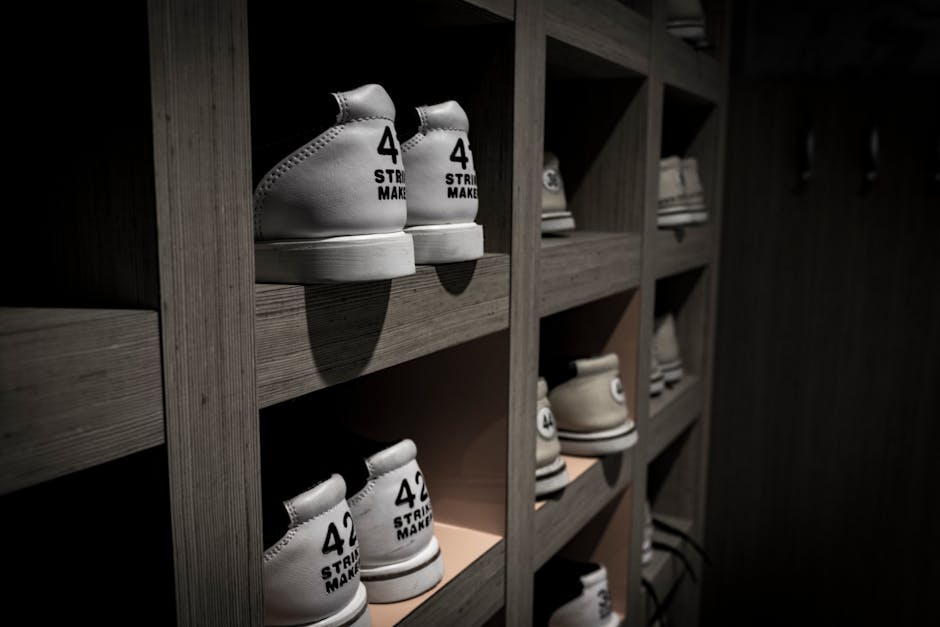
Three scales, three different ideas of zero
Unlike temperature or length, shoe sizing was never defined against a single physical constant, so the UK, US and EU systems each measure a different thing and start counting from a different point. The result is a conversion that has to be looked up rather than calculated from a clean factor — the closest thing to an exception on this site.
The Paris point is the one real unit involved
The EU system is the most technically grounded of the three. It is based on the Paris point, an old French unit equal to two-thirds of a centimetre, applied to the length of the last (the foot-shaped mould a shoe is built on) with a small manufacturing allowance added. An EU size is roughly the foot length in centimetres divided by 0.667, plus one to one and a half sizes of built-in space.
UK and US sizing are not based on the Paris point at all. Both use an inch-derived unit called a barleycorn — one-third of an inch, about 8.47 mm — counted from a fixed starting last size, with UK and US scales starting their count at a different nominal length. That is the entire reason a UK 7 becomes a US 8: the two systems agree on the size of a step, and disagree on where step number one begins.
A working conversion chart
| Foot length | UK | US (men's) | US (women's) | EU |
|---|---|---|---|---|
| 24.1 cm | 5.5 | 6 | 7.5 | 38.5 |
| 24.8 cm | 6.5 | 7 | 8.5 | 40 |
| 25.4 cm | 7 | 8 | 9.5 | 41 |
| 26.7 cm | 8.5 | 9.5 | 11 | 42.5 |
| 27.9 cm | 9.5 | 10.5 | 12 | 44 |
| 29.4 cm | 11 | 12 | 13.5 | 45.5 |
Notice the US column splits into men's and women's — US women's sizing runs about one and a half sizes higher than men's for the same physical foot, another offset with no equivalent in the UK or EU scale, where sizing is unisex.
Why half sizes and brands still disagree
Even with a correct chart, two pairs marked the same size from different brands can differ by several millimetres, because the last shape — not just its length — varies by manufacturer, and lasts are proprietary. Running-shoe brands in particular often size half to a full size differently from dress-shoe makers using the same nominal EU number, which is why serious buyers measure both feet in centimetres and check the manufacturer's own size chart rather than trusting the printed number alone.
Measuring your foot properly
- Stand on a sheet of paper against a wall, weight evenly distributed.
- Mark the wall at your heel and the tip of your longest toe.
- Measure the distance in centimetres — this is your foot length, the one figure every system ultimately derives from.
- Measure both feet; most people have a size or half-size difference, and shoes should fit the larger foot.
The takeaway
Convert by foot length in centimetres, not by size number — the chart above is the reliable path, and the size printed inside the shoe is only ever an approximation of it.
Filed under Reference · Tags: shoe size chart, uk to us shoe size, eu shoe size, foot length cm. Figures verified against the official definitions — see our editorial policy.