Measurement, explained properly
Short, useful articles about the numbers people get wrong — from TV diagonals that do not match the wall to luggage that misses the limit by a kilo.
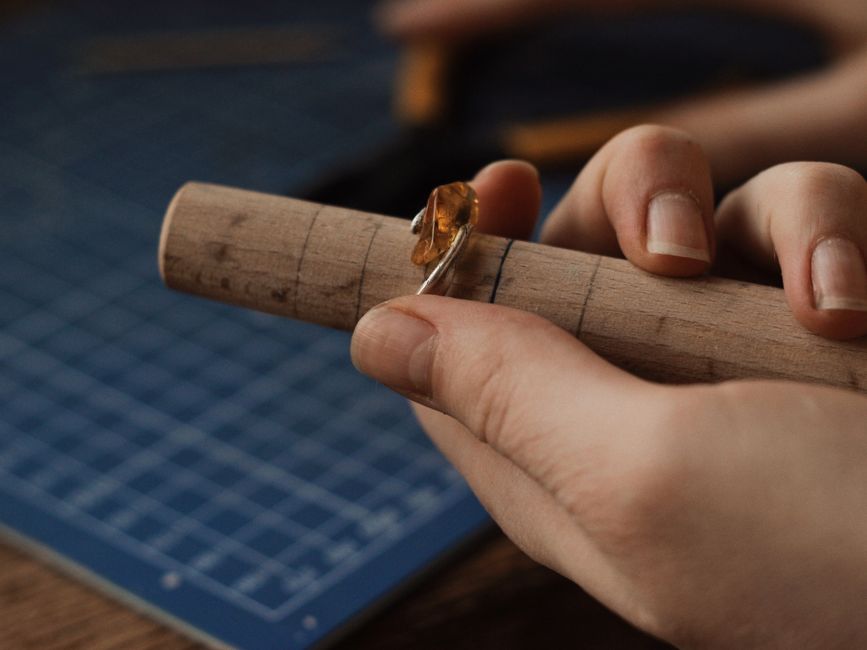
Ring sizes: converting US, UK and EU without guessing
A US size 7 is a UK size N and an EU size 54 — three totally different labelling systems for the same circle of metal.

Why your speedometer reads a little high — in any country
Speedometers are built to never under-read, by regulation. Combine that with an mph-to-km/h conversion and a rental-car dashboard can be reading five per cent fast.

Ounces to grams: the kitchen conversions worth memorising
One ounce is 28.3495 grams — not the 25 or 30 grams most recipes round to. Here is where the rounding is harmless and where it changes a bake.

Camera sensor sizes: why "1-inch" is not an inch
A "1-inch" sensor is 13.2 mm wide, not 25.4 mm. The name is a fossil from 1950s television tubes, and it still confuses camera buyers today.

Shoe sizes: why UK, US and EU numbers never line up
A UK 7 is a US 8 and an EU 41 — except when it is not. Shoe sizing has no single formula, only three separate scales that happen to overlap.

Why your new TV does not fit the space you measured
The number on the box is a diagonal, not a width — and the gap between the two is where returns come from. Two multiplications settle it before you order.
The 5.10 mistake: why decimal height conversions go wrong
Feet and inches look like a decimal number and behave nothing like one. Treating 5′10″ as 5.10 costs you nine centimetres.
The 2.2 shortcut is wrong, and sometimes it matters
Everyone multiplies by 2.2. The real factor is 2.2046226, and there are three situations where the shortcut costs you.

Why a box of pillows costs as much to ship as a box of books
Couriers charge on whichever is greater: what the parcel weighs, or what its volume implies. One formula explains every surprising quote.
Looking for a specific number?
The converter directory has a dedicated page for every common value.
Browse converters